
The Department of Health (DOH) is ringing alarm bells: an average of 56 new HIV cases are now reported every single day—a rate the agency warns is a “bigger threat than mpox” and could justify a national public-health emergency. From January to March alone, 5,101 Filipinos tested positive, a 50 percent jump over the same period last year. Experts project the total number of people living with HIV could reach 252,000 by December 2025 if current trends hold.
Why the spike—and why it’s hitting men hardest
The crisis is overwhelmingly male: nine out of ten new infections involve men who have sex with men (MSM) aged 15-34. Analysts blame a perfect storm—spotty sex-ed in schools, hookup-app culture, and lingering stigma that keeps many guys from testing early. But the picture isn’t all grim: a wave of new prevention tools and no-judgment clinics is giving Filipino men more control than ever over their sexual health.
Free condoms and PrEP go mainstream
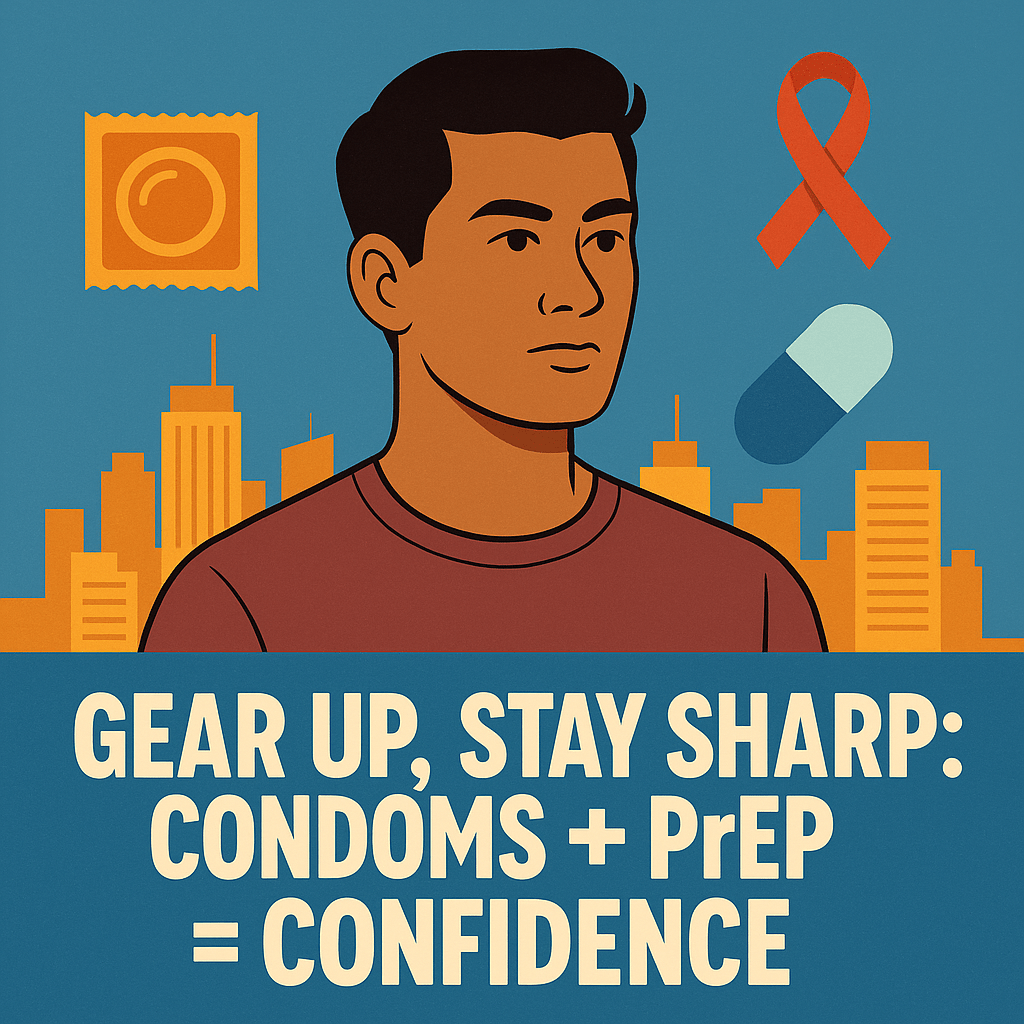
Metro Manila may soon follow Quezon City’s lead by stocking dispensers that hand out complimentary condoms and lubricants in high-foot-traffic areas—part of a DOH plan to flood the capital with barrier protection this year. Meanwhile, Quezon City’s growing network of Social Hygiene and Sundown Clinics now offers free, confidential HIV tests and pre-exposure prophylaxis (PrEP) to qualified residents. Even the private sector is stepping up: a recent USAID–AC Health partnership promises nationwide door-to-door delivery of PrEP refills, bundled with telemedicine consults to cut the clinic wait time to zero.
Quick primer: PrEP is a once-a-day pill that lowers the risk of acquiring HIV from sex by about 99 percent when taken consistently. It’s free in many public clinics and around ₱3,000 per month at private pharmacies.
Digital sex-ed is exploding—especially among men
While formal classroom instruction still lags, Filipino TikTok creators are filling the gap with blunt, no-shame explainers on condoms, consent, and STI testing. That matters because male users now make up 53 percent of TikTok’s Philippine audience, with the single largest block being guys aged 25-34. If you’ve ever saved a “Doc Tips” video to your favorites, you’re part of the new DIY sex-education wave.
Three trends that make 2025 different
- Swipe smarter, not longer. Dating-app fatigue is real, but platforms like Tinder and Bumble now surface Health Safety tips after sexual-health keywords appear in chats.
- Test-kit culture. LoveYourself and other NGOs have popularized DIY oral-fluid HIV test kits delivered in discreet brown envelopes—use them at home, get results in 20 minutes, and connect to a counselor by Viber.
- Status-positive dating. Specialized apps such as Positive Singles report record Filipino sign-ups, letting HIV-positive (or HSV-positive) users date without the disclosure anxiety that often derails early conversations.
Five moves every Pinoy guy should make now
- Know your status—schedule a free rapid test or order a home kit this week.
- Add a layer of protection. Combine condoms and PrEP if you have multiple partners; neither is perfect alone.
- Talk before touch. A simple “Okay ba sa’yo if…?” keeps you on the right side of consent laws and dramatically improves trust.
- Normalize clinic runs. Treat STI screening like a dental visit—twice a year, no shame, no drama.
- Curate your timeline. Follow at least three local sex-ed creators; reliable info pops up just when you need a refresher.
Culture shift: pleasure and respect go hand in hand
Old scripts that equate masculinity with silent endurance are losing ground. Surveys show men who openly discuss boundaries and contraception are rated as more attractive and more trustworthy by potential partners. In a climate where women increasingly insist on condom use and mutual satisfaction, respect has become a literal aphrodisiac.
Bottom line for 2025
- The HIV surge is real, but so are the tools to stop it.
- Condoms and PrEP are more accessible than ever—often free.
- Digital sex-ed is rewriting the rules; plug in and stay sharp.
- Being proactive about testing and consent isn’t just safer—it’s sexier.
 Mike m. luster