
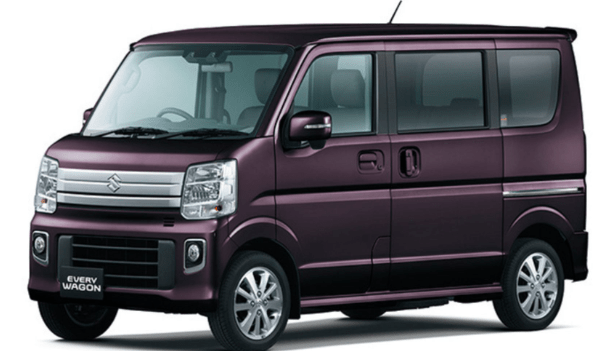
If you’ve lived in Metro Manila for even a short while, chances are you’ve seen a small, boxy vehicle zipping through EDSA or parked in tight neighborhood streets. These are often Japan surplus cars or K cars (kei cars)—compact, affordable, and surprisingly dependable. But why are they so popular among Manileños? Let’s take a closer look.
What are Japan Surplus Cars and K Cars?
Japan surplus cars are second-hand vehicles imported from Japan, usually sold through local dealers or surplus shops in the Philippines. K cars, or kei cars, are a special type of mini-vehicle in Japan designed to comply with strict size and engine limits (660cc or less). These are popular in Japan because they’re fuel-efficient, easy to park, and come with lower taxes.
Kapag dumating na sila sa Pilipinas, karamihan sa kanila ay nire-refurbish at inaayos para maging road-worthy ulit. Others are “converted” from right-hand drive to left-hand drive, kasi siyempre, right-hand ang steering wheel sa Japan.
Bakit Patok na Patok sa Manila?
1. Murang-mura compared to brand new cars
Let’s be honest—not everyone can afford a ₱1 million car. Japan surplus vehicles can go as low as ₱200,000 to ₱500,000, depending on the model and condition. Para sa mga naghahanap ng reliable na sasakyan pero limited ang budget, this is a big win.
2. Matipid sa gas
K cars are known for their outstanding fuel efficiency. Some can run 20 to 25 kilometers per liter. Para sa mga araw-araw bumabiyahe sa Makati, Quezon City, or even Taguig, malaking tipid ito sa gasolina.
3. Madaling i-maneuver sa sikip ng Maynila
Given how tight parking spaces and side streets are in places like Tondo, Sampaloc, or Pasay, a smaller car makes a lot of sense. K cars are sobrang compact, kaya walang problema sa pag-ikot sa masisikip na kalsada or pagsingit sa heavy traffic.
4. Unique ang itsura
A lot of Japan surplus vehicles look quirky or even cute. Boxy vans, mini-pickups, or sporty micro-SUVs—these are head-turners. May mga tao talaga na nahuhumaling sa aesthetic. “Ang astig ng dating, parang imported!”
5. Pang-negosyo rin
Many small business owners use K vans or mini trucks for deliveries, catering, and mobile shops. Sa sobrang tipid sa konsumo at maintenance, nakakatulong ito sa kita.
Ano ang Catch?
Syempre, hindi rin ito perfect. Here are a few things you need to watch out for:
1. Converted units can be risky
Some surplus cars are originally right-hand drive, then converted to left-hand drive to comply with Philippine laws. Minsan, hindi pulido ang pagkaka-convert, which may lead to issues with steering, alignment, or even dashboard functions.
2. Parts availability
Although many popular surplus models have available parts in Banawe or online, some rare K car models might be harder to maintain. “Saan ba makakahanap ng parts para sa ganitong klaseng kotse?” is a real concern.
3. Registration and documentation issues
Minsan may mga surplus vehicles na may kulang o kaduda-dudang papers. Make sure to buy only from legit dealers and have all documents verified with LTO. Huwag basta-basta bibili nang walang kasiguraduhan.
4. Not built for long expressway drives
Because most K cars have small engines (usually 660cc), they’re not allowed on expressways like NLEX or SLEX. And even if they are, they’re not really designed for high-speed travel. Pang-syudad talaga sila.
Anong Brands at Models ang Pinaka-Sikat?
In Manila, you’ll commonly see the following surplus or K car models:
- Suzuki Every – Mini-van perfect for family or business.
- Daihatsu Hijet – Compact and practical for small deliveries.
- Mitsubishi Minicab – Boxy, cute, and reliable.
- Honda Acty – Versatile and lightweight.
- Toyota Sienta (older models) – Great for families, with sliding doors.
- Nissan Cube or March – Quirky designs, very fuel-efficient.
These vehicles are small but mighty. Many owners swear by them. “Pang-araw-araw kong gamit, simula’t sapul, hindi pa ako iniwan nito.”
Environmental Impact: Mas eco-friendly ba sila?
Surprisingly, yes. Many of these cars are more fuel-efficient than older sedans. And because Japan has strict emissions regulations, even their older vehicles tend to be cleaner-running compared to old diesel engines. Sa mga naghahanap ng eco-friendly and budget-friendly na sasakyan, panalo talaga ang surplus K cars.
Is This Just a Fad or Here to Stay?
Hindi ito simpleng uso lang. As traffic continues to get worse in Manila, and as fuel prices keep rising, more people are turning to affordable, efficient options. K cars and Japan surplus vehicles hit the sweet spot: practical, affordable, and pang-Maynila talaga ang dating.
In fact, some surplus dealers are expanding their inventory because demand is rising, especially among delivery services, ride-hailing operators, and first-time car buyers.
Worth It Ba Talaga?
If you live in Metro Manila, drive mostly within the city, and need a budget-friendly ride, Japan surplus cars—especially K cars—are a smart choice.
Oo, may mga kailangang i-consider: the condition, the conversion quality, at kung legit ang documents. But with a trusted seller and a bit of due diligence, makakahanap ka ng solid na sasakyan na hindi lalampas sa kalahating milyon.
Practical, stylish, and ready for the Manila hustle—that’s the charm of the humble K car.
Ikaw, may surplus car ka na ba? Or plano mo palang bumili? Share your experience sa comments, baka makatulong ka pa sa iba.
 Mike m. luster