
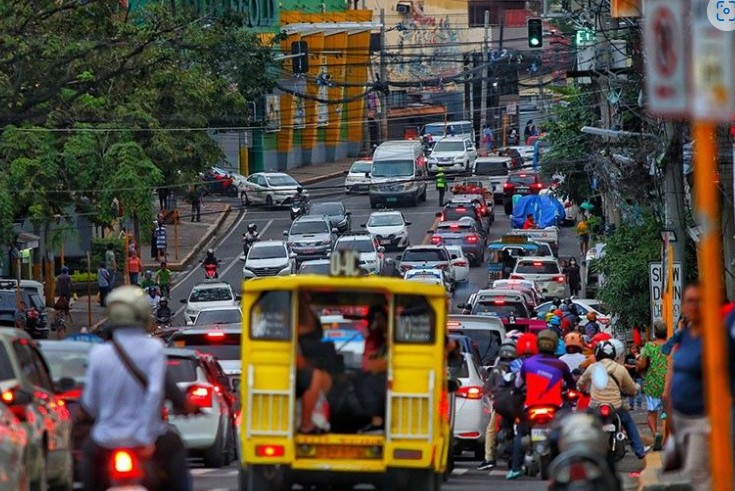
Let’s face it—traffic in Cebu is getting worse. What used to be a 20-minute ride from Mandaue to Cebu City can now take over an hour during rush hour. Sa buntag pa lang, puno na kaayo ang SRP, Banilad, Talamban, ug Colon. And every Cebuano knows this: kung dili ka mogikan og sayo, ma-late gyud ka.
So now the big question is being asked more and more: Is it time to implement a vehicle coding system in Cebu? Just like in Metro Manila?
Tan-awn nato unsa gyud ni.
What Is a Vehicle Coding System?
The vehicle coding system, also known as number coding or “UVVRP” (Unified Vehicular Volume Reduction Program), is a scheme already used in Metro Manila. In short, bawal mogamit sa imong sakyanan sa specific day of the week kung ang last digit sa plate number nimo sakto sa schedule. For example, kung “1” or “2” ang last digit, di ka pwede mo-drive every Monday.
The goal? To reduce traffic congestion by limiting the number of cars on the road.
In theory, sounds good. But does it really work? And mas angay ba ni siya para sa Cebu?
Cebu’s Traffic: Getting Worse Every Year
Every year, more cars are added to Cebu’s roads. According to recent LTO data, over 600,000 vehicles are now registered in Cebu Province. Ang problema? Wala kaayo tay bag-ong dalan.
Lahi ra sa Metro Manila nga daghan ug alternate routes, MRT, at LRT. Dinhi sa Cebu, kung naay aksidente sa Osmeña Blvd or M. Velez, patay na ta. The ripple effect spreads to the entire city.
Mao ni ang hinungdan nga ang uban gusto og drastic solution. A vehicle coding system could reduce daily traffic volume by 20%—that’s one in five cars off the road.
Possible Benefits for Cebu
1. Less Traffic, Faster Commutes
Kung successful ang implementation, mas paspas ang biyahe. Imagine cutting down travel time from Lahug to Lapu-Lapu in half.
2. Cleaner Air
Less cars means less pollution. And let’s admit it, ang hangin sa Colon o Jones Ave usahay murag lami na lang di moginhawa. Cleaner air is good for all of us.
3. Promotes Carpooling and Public Transport
People will be forced to find alternatives like carpooling, riding jeeps, buses, or even using bikes. This could also help improve our public transport system, which badly needs attention.
But Wait—There Are Downsides Too
1. Not Enough Public Transport
Unlike Metro Manila, wala tay LRT or MRT. Jeepneys and buses often get overcrowded. Kung bawalan nimo ang tawo gamiton ilang sakyanan, asa man sila moadto? That’s a real problem.
2. People Might Just Buy Another Car
This is what happened in Manila. Ang mga tao nga naa’y budget, nipalit nalang og second car para naay backup during their coding day. Result? Back to square one.
3. Small Businesses May Suffer
Many small entrepreneurs depend on their vehicles every day—delivery sa cake, furniture, or catering. Kung one day a week di sila pwede mogamit, makaapekto gyud sa ilang income.
Alternatives Cebu Might Consider First
Before going full-on with number coding, naa pa man siguro’y laing mabuhat.
1. Stricter Road Discipline and Enforcement
Daghan sa atong traffic kay tungod sa mga illegal parking, drivers nga walay signal, ug mga “stop anywhere” habits. If we improve enforcement, dako na kaayo na nga tabang.
2. Flexible Work Schedules and Work-from-Home Options
Not everyone needs to travel at the same time. Encourage companies to allow flexible hours or remote work. Less sabay-sabay nga biyahe = less traffic.
3. Better Public Transportation
If Cebu had reliable, safe, and affordable transport, more people would leave their cars at home. The BRT (Bus Rapid Transit) project is a step in the right direction—pero dugay kaayo mahuman lagi.
What Do Cebuanos Think?
Daghan ang nag-duha-duha. Some say, “Unsaon man nako pagdala sa akong anak sa eskwelahan kung bawal akong sakyanan?” Others say, “Wa man gani na epektibo sa Manila, nganong dad-on pa na diri?”
Pero naa pud ang uban nga open sa idea. “Basin makatabang. Dili nato mahibal-an kung di nato suwayan.”
Maybe the answer lies in trial runs. Start with high-traffic areas only, like Banilad-Talamban corridor or SRP during peak hours. Monitor the results, then decide.
Time for a Cebu-Style Solution
So, is it time to implement a vehicle coding system in Cebu?
Maybe. But it must be Cebu-style. Dili lang basta-basta copy sa Manila system. We need a version that fits our unique roads, culture, and public needs. Maybe that means partial coding, or coding only during specific times.
But one thing’s clear—we can’t ignore the traffic problem anymore.
The longer we wait, the more time, gas, and sanity we’ll lose sitting in traffic every single day.
So, mga brads—unsay inyong tan-aw? Is Cebu ready for coding? Or should we look for better options first?
 Mike m. luster