
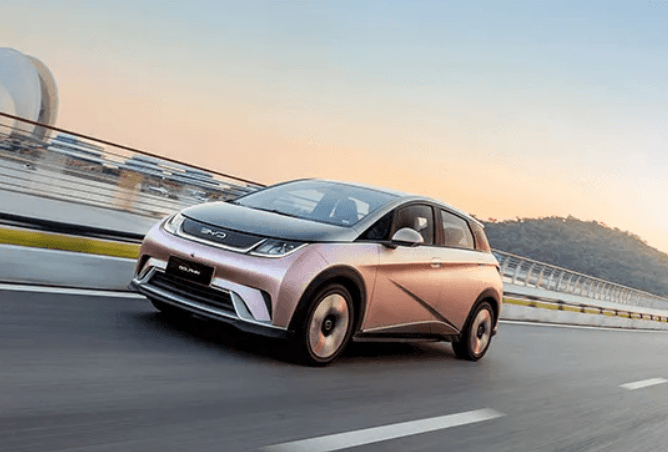
Electric vehicles (EVs) are slowly but surely making their way into the Philippine market. From flashy Teslas to practical Chinese-made e-cars, more Pinoys are becoming curious. But the big question remains: Are electric cars really effective in cities like Cebu and Manila, considering our unique weather, traffic, and market conditions?
If you’re driving in the city, this article is for you.
Weather Worries: Kaya ba ng EV ang init at ulan?
One of the first things people ask is: Kaya ba ng electric cars ang init sa Pilipinas?
Good news—yes, electric cars are designed to operate in hot climates. In fact, many EVs sold globally are tested in extreme heat conditions. But there’s a catch: battery efficiency can be slightly affected by high temperatures. Sa sobrang init ng araw sa city, minsan bumababa ng kaunti ang range ng sasakyan—meaning you might need to charge a bit more often.
Another concern is the rainy season. Taas-kilay ang karamihan kapag binabaha ang mga kalsada—“Makuryente ba ako kung EV ang dala ko sa baha?”
The answer is no. EVs are actually sealed and waterproof, and most have passed strict flood resistance tests. Pero siyempre, kahit anong klase pa ‘yan—electric man o gasoline—walang sasakyan ang built para lumusong sa knee-deep floods. So kung bumabagyo na sa EDSA or Colon Street, better stay safe and park.
Charging Challenges: May sapat bang charging stations?
Let’s be real. This is where things get tricky. Sa Manila, meron na tayong ilang charging stations in malls like SM Aura, Ayala Malls, and even Shell Recharge stations popping up in major areas. Pero kung taga-QC ka or Pasig, baka kailangan mong bumiyahe ng konti to find one. In Cebu, charging stations are still medyo limited, mostly found in premium locations like IT Park, SM Seaside, or select hotels.
This is a challenge, lalo na kung nakatira ka sa apartment o wala kang sariling garahe. How will you charge overnight?
Some EV owners in Manila install wall chargers sa bahay—pero paano kung nasa condo ka at walang access sa ganon? In Cebu, people in Mandaue or Lapu-Lapu might have to rely on public chargers too. Until our charging infrastructure improves, this will remain a roadblock to wider adoption.
Cost and Savings: Sulit ba talaga ang electric car?
Let’s talk pera. A basic EV in the Philippines might cost anywhere from ₱800,000 to ₱2.5 million. That’s a big jump from your typical gas-powered car.
But the catch is this: you save a LOT in the long run. Wala kang gas na babayaran. Charging at home can cost as little as ₱150 to ₱200 per full charge, depending on your electric rate. And a full charge can take you 250-400 km, depende sa model.
Saka hindi mo na kailangan ng oil change, air filter, o spark plugs. Maintenance is super low. And let’s not forget—EVs are exempt from the number coding scheme in Metro Manila! Huge bonus ‘yan for Manileños.
In Cebu, where traffic isn’t as hellish as Manila, and distances between cities are shorter, EVs actually make a lot of sense. Imagine going from Cebu City to Talisay or Consolacion on just a fraction of the cost.
Market Readiness: Handa na ba tayo?
Honestly, we’re getting there, but we’re not fully ready yet.
Many car buyers still prefer traditional vehicles because they’re more familiar, easier to refuel, and mas marami ang service centers. Marami rin ang nagsasabi, “Wala pa akong kilala na may EV.”
But change is coming. More brands like BYD, Nissan, Hyundai, and even local players are entering the EV space. Government incentives, tax cuts, and a growing awareness of climate change are helping shift opinions.
In Cebu, there’s already interest from local transport operators to switch to e-jeepneys and e-tricycles. In Manila, more LGUs are testing out electric buses. The market is warming up, pero medyo mabagal pa.
The Verdict: Effective ba ang EVs sa Cebu at Manila?
Yes—but with conditions.
Kung may sariling charging spot ka at mostly city driving lang naman, EVs are actually a smart move. Murang gamitin, tahimik, at low maintenance. Pero kung nakatira ka sa area na walang charging station or kailangan mong bumiyahe ng malayo palagi, baka medyo hassle pa sa ngayon.
And sa init at baha? Kaya naman nila. But you still have to drive responsibly and take precautions, tulad ng kahit anong sasakyan.
Cebu and Manila may have different traffic and road conditions, pero pareho silang on the edge of the electric revolution. EVs aren’t just for techies or mayayaman—they’re becoming a practical choice, lalo na kung gagamitin mo for daily city driving.
So kung tatanungin mo, “Pwede ba talaga ang electric car sa Pilipinas?”
Ang sagot: Oo, pwede. Pero depende sa lifestyle mo.
Kung handa kang mag-adjust, mag-research, at mag-invest sa future, then electric cars could be your smartest ride yet. Gusto mo bang pag-usapan pa ‘to? May experience ka ba sa EVs sa Cebu o Manila? Share mo rin!
 Mike m. luster